
Range Rover engines reconditioned rebuild specialist
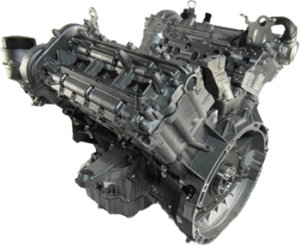
For many years now Range Rover Engines have been one of our specialities. Because we recondition so many engines we usually have a good stock of core engines and parts in our stores.
Range Rover Engines at the lowest prices anywhere.
This combined with our vast knowledge of Range Rover engines gives us not only a competitive edge when it comes to price, it offers you peace of mind that your car engine is in safe hands.
Rebuild Or Replacement Range Rover Engines & Installed Fast!
Because we know how important your Range Rover is to you, we aim to turn all Range Rover car engines round quicker than our competition take to price the job up. Whether it’s an off the shelf engine installed or collect and return procedure we can usually turn this around in a short time frame.
Unbeatable Price, Guaranteed!
Due to the high volume of Range Rover engines we recondition and the amount of associated components we purchase we’re able to offer engines at a very affordable price. We’re also able to arrange collection and delivery services at very competitive rates.
All of our Range Rover car Engines are covered by our comprehensive Guarantee. Please ask for full details.
Nationwide Range Rover Recovery To Our Workshops.
Rebuilding, reconditioning your engine may only be one part of your concerns. The other issue is how to get your car to us. It may be with a main dealer, on your drive or already with an independent garage workshop. We are collecting cars to return to our main workshops wih trusted transport partners on a weekly basis, all fully insured.
We can collect your vehicle and rebuild in our fully equipped workshops.
Whether rebuilding your engine or replacing, rest assured we work with you on a fully costed quote prior to any works. You will find we offer the most competitive prices around due to our large parts buying power and decades of experience .
Both the workmanship and components in our rebuilt engines are covered by a comprehensive warranty.
Range Rover engines are known for very specific engine problems which is why specialist Range Rover engine knowledge is important. Our fully trained technicians and modern equipped workshops have much experience. Rebuild or replace your engine, we will diagnose and advise quickly and professional service is assured.

GET A QUOTE, SIMPLY FILL IN THE FORM WITH YOUR REGISTRATION NUMBER AND DETAILS, AND WE WILL DO THE REST:
Once we know your vehicle we can come back to you with a quote at the earliest opportunity, with an all inclusive price.
You can choose from either one of our rebuilt engines or for your engine to be fully remanufactured by our expert techinicians in our fully equipped modern workshops. All engines are fully rebuilt using original equipment manufacturer (OEM) parts or even upgraded latest specification components.
As our workshops are fully equipped with the latest diagnostic equipment ,we are therefore able to fully test your engine ancillary components too. This ensures you will be up and running with a fully tested, installed and guaranteed UK remanufactured engine.
Common Range Rover Engine Problems (2013–2025)
Range Rover vehicles are renowned for their luxury, comfort and impressive performance, but even the most prestigious vehicles can experience engine problems as they age or accumulate mileage. From diesel engine issues and turbocharger faults to oil leaks, timing chain problems and serious internal engine damage, understanding the common warning signs can help UK owners make informed decisions about repairs.
At Remanufactured Engines, we specialise in rebuilding, reconditioning and replacing Range Rover engines at very competitive prices. If your Range Rover has developed a serious engine fault, is losing power, producing excessive smoke or suffering from an expensive mechanical problem, we can help you explore a cost-effective solution. You can request a simple online quote using your vehicle registration number.
This guide covers common engine problems associated with Range Rover models manufactured between 2013 and 2025, including the Range Rover Vogue, Range Rover Sport, Range Rover Velar and Range Rover Evoque.
Which Range Rover Models Can Experience Engine Problems?
Between 2013 and 2025, Land Rover offered a wide range of Range Rover vehicles with different petrol, diesel, mild-hybrid, plug-in hybrid and, in some markets, other electrified powertrains. Engine designs and known issues vary according to the exact model, engine code, production year and maintenance history.
Models UK owners may encounter include:
Range Rover Vogue and Range Rover: Including the L405 generation and the newer L460 generation introduced in 2022.
Range Rover Sport: Including L494 models and the newer L461 generation.
Range Rover Velar: Introduced in 2017, with a range of Ingenium petrol and diesel engines alongside other powertrain options.
Range Rover Evoque: Including the first-generation facelift models and the second generation introduced in 2019.
Not every engine suffers from the same faults, and a symptom does not automatically mean that a complete engine replacement is necessary. Accurate diagnosis is essential before deciding whether an engine repair, rebuild, reconditioning or replacement is the most suitable option.
1. Ingenium Diesel Engine Problems
Jaguar Land Rover’s Ingenium diesel engines are fitted to a number of Range Rover models, including selected Evoque, Velar and Range Rover Sport variants. Some owners have experienced issues involving emissions equipment, lubrication, timing components and internal engine wear.
Potential warning signs include unusual engine noises, warning lights, reduced performance, excessive smoke and increasing oil consumption. The cause may involve a particular component rather than a complete engine failure.
If your Range Rover diesel engine is experiencing persistent problems, a professional assessment can establish whether the fault is repairable or whether a reconditioned or replacement engine should be considered.
2. Timing Chain Wear and Failure
Timing chains synchronise the movement of the crankshaft and camshafts, allowing the engine’s valves to operate at the correct time. Wear, tensioner problems or related component failures can affect some engine variants.
Possible warning signs include:
Rattling noises from the engine, particularly during starting.
Unusual mechanical noises from the timing area.
Engine warning lights or fault codes.
Poor running or difficulty starting.
Serious engine damage if timing is lost.
Timing chain problems should never be ignored. If the chain jumps timing or breaks, the resulting damage can be extensive, potentially affecting valves, pistons and cylinder heads. However, a rattling noise alone does not confirm timing chain failure.
Early investigation may prevent further damage and help determine whether a timing-system repair or a more extensive engine rebuild is required.
3. Diesel Particulate Filter (DPF) Problems
Diesel Range Rovers fitted with a diesel particulate filter can develop DPF-related problems, particularly where vehicles undertake frequent short journeys or spend considerable time in slow-moving traffic.
The DPF captures soot from the exhaust and periodically burns it off through a process known as regeneration. If regeneration cannot complete successfully, soot accumulation may restrict exhaust flow and affect engine performance.
Common symptoms include:
DPF warning lights.
Reduced engine power or limp mode.
Increased fuel consumption.
Cooling fans running more frequently in certain circumstances.
Repeated regeneration problems.
A blocked DPF does not necessarily mean that the engine itself has failed. Diagnosis should establish whether the problem concerns the filter, sensors, exhaust system or another underlying fault. Where engine damage has occurred, further investigation may be needed.
4. Turbocharger Failure and Loss of Power
Turbochargers help deliver the power and torque expected from modern Range Rover petrol and diesel engines. Turbocharger faults can occur because of wear, lubrication problems, contamination, excessive heat or damage to associated components.
Symptoms can include a noticeable loss of acceleration, unusual whistling or siren-like noises, excessive exhaust smoke and increased oil consumption.
A turbocharger fault can sometimes be repaired without replacing the engine. However, if a turbocharger failure allows debris or excessive oil into the engine, internal damage may also occur.
At Remanufactured Engines, we can help you explore the appropriate engine solution when a Range Rover has suffered serious mechanical damage. Correct diagnosis is important to identify the original cause and avoid repeat failures.
5. Excessive Engine Oil Consumption
Some Range Rover engines may develop increased oil consumption because of internal wear, oil leaks, crankcase ventilation faults, turbocharger problems or other engine-specific issues.
Owners should check the oil level in accordance with the manufacturer’s instructions and investigate any repeated need to top up the engine oil.
Warning signs include:
Oil levels falling between services.
Blue or grey exhaust smoke in certain operating conditions.
Oil warning messages.
Oil leaks beneath the vehicle.
Engine noises associated with inadequate lubrication.
Running an engine with insufficient oil can cause serious damage to bearings, crankshafts, pistons and other moving components. If the oil pressure warning appears while driving, stop safely as soon as possible and switch off the engine when safe to do so.
A professional inspection can determine whether the cause is an external leak, a faulty component or internal engine wear.
6. Crankshaft Bearing and Internal Engine Damage
Internal engine damage is one of the most serious problems a Range Rover owner can encounter. Depending on the engine variant and circumstances, lubrication problems, overheating, contamination or component wear can contribute to damage involving crankshaft bearings and other moving parts.
Potential symptoms include knocking noises, low oil pressure, metal particles in the engine oil and sudden loss of power.
A deep metallic knock, especially when accompanied by an oil pressure warning, should be treated as urgent. Continuing to drive may turn a repairable fault into a much more extensive failure.
Depending on the damage and the availability of suitable parts, an engine rebuild, reconditioned engine or replacement engine may be the most practical option.
7. Engine Overheating and Cooling System Faults
Overheating can affect petrol and diesel Range Rover engines and may be caused by coolant leaks, a failing water pump, thermostat problems, radiator restrictions, cooling fan faults or other cooling system issues.
Common warning signs include:
The engine temperature rising above its normal operating range.
Coolant warning messages.
Steam from beneath the bonnet.
Coolant loss or visible leaks.
Poor heater performance in some circumstances.
Engine misfires or rough running after an overheating incident.
Severe overheating can damage cylinder heads, head gaskets, pistons and other internal components. In extreme cases, the engine may require a complete rebuild or replacement.
If your Range Rover overheats, stop safely and switch off the engine. Never remove a coolant cap while the system is hot or pressurised. Have the vehicle inspected before continuing to drive.
8. Head Gasket Failure
The cylinder head gasket seals the joint between the engine block and cylinder head. It helps maintain compression and keeps coolant and engine oil separated.
Head gasket failure can develop following overheating or because of other engine-specific problems. Symptoms may include persistent coolant loss, engine overheating, rough running, white exhaust vapour that continues after warm-up, or contamination of the engine oil.
However, these symptoms can have other causes, so a proper diagnosis is necessary before condemning the head gasket.
If the failure has caused cylinder head distortion, cracking or further internal damage, the repair may become more extensive. An engine specialist can assess whether repair or rebuilding is viable or whether a replacement engine represents better value.
9. EGR Valve and Exhaust Gas Recirculation Problems
Exhaust gas recirculation (EGR) systems are used on many diesel engines to help control emissions. Soot and carbon deposits can affect EGR valves and associated passages, potentially interfering with engine operation.
Possible symptoms include rough idling, reduced power, hesitation, warning lights and increased emissions.
EGR-related faults can sometimes be resolved by cleaning or replacing affected components, depending on the condition of the system and the manufacturer’s repair procedures. They do not automatically indicate internal engine failure.
If EGR problems occur alongside repeated DPF faults, excessive smoke or poor running, it is important to establish whether one fault is contributing to another.
10. Fuel Injector Problems
Fuel injectors deliver carefully controlled amounts of fuel into the engine. Faults involving injectors or their control systems can affect both diesel and petrol Range Rover engines.
Possible symptoms include difficult starting, uneven idling, misfires, poor fuel economy, excessive smoke and reduced performance.
On some diesel engines, injector faults can also contribute to fuel dilution of the engine oil, depending on the failure and operating conditions. Fuel dilution may reduce lubrication quality and increase the risk of internal damage.
Testing the injectors and fuel system can help distinguish a fuel delivery fault from a more serious mechanical engine problem.
11. Petrol Engine Misfires and Performance Problems
Petrol-powered Range Rover models can experience misfires and poor running caused by ignition coil faults, worn spark plugs, fuel delivery problems, sensor failures or mechanical engine damage.
Typical symptoms include shaking at idle, hesitation during acceleration, a flashing engine management light and reduced power.
A misfire should be investigated promptly. Continuing to drive with a severe misfire can damage the catalytic converter and may worsen an underlying mechanical problem.
Although not every misfire requires major engine work, persistent misfires accompanied by compression loss, unusual noises or excessive oil consumption may indicate more serious internal damage.
12. Oil Leaks from the Engine
Oil leaks can develop around seals, gaskets, covers, oil lines and other engine components as vehicles age. The exact sources vary between engine families and model years.
Look out for oil patches beneath the vehicle, burning oil smells, visible residue around the engine or repeated drops in the oil level.
An external oil leak may be relatively straightforward to repair, but a leak that causes oil starvation can have much more serious consequences.
If oil pressure falls or an oil pressure warning appears, do not continue driving in the hope that the problem will resolve itself. Arrange a safe recovery and professional inspection.
13. Timing and Oil-Related Problems on Newer Range Rover Models
Newer Range Rover and Range Rover Sport models introduced from 2022 feature different engine generations and electrified powertrain options compared with many earlier vehicles. Their potential faults depend on the specific engine, production date and vehicle configuration.
Oil pressure problems, timing-system faults, cooling issues and engine management warnings require diagnosis based on the exact engine fitted.
It is important not to assume that a fault associated with an older Ingenium diesel engine applies equally to every newer Range Rover petrol, diesel, mild-hybrid or plug-in hybrid model.
When requesting a quote for a newer vehicle, providing the registration number helps identify the vehicle details and narrow down the appropriate engine solution.
14. Hybrid Range Rover Engine Problems
Selected Range Rover and Range Rover Sport models, as well as some Evoque and Velar variants, have been offered with mild-hybrid or plug-in hybrid powertrains.
Although hybrid technology can improve efficiency, these vehicles still contain an internal combustion engine that may develop conventional mechanical faults. Depending on the model, additional systems may also affect diagnosis.
A warning light or loss of performance does not necessarily mean the engine itself has failed. Faults may involve the high-voltage hybrid system, control electronics, cooling circuits, the combustion engine or communication between components.
Hybrid vehicles should be diagnosed by suitably qualified technicians who understand the relevant high-voltage safety procedures. If the combustion engine has suffered serious internal damage, the correct replacement must be compatible with the vehicle’s precise specification.
15. High Mileage and General Engine Wear
Range Rovers are often used for long-distance journeys, towing and family travel. Over time, wear can affect bearings, pistons, cylinder bores, valve components, seals and other moving parts.
High mileage alone does not mean that an engine is about to fail. Servicing, driving conditions, oil quality, previous repairs and the particular engine design all influence its condition.
Warning signs of excessive engine wear can include rising oil consumption, persistent smoke, reduced compression, poor starting and unusual mechanical noises.
When major repairs become uneconomical, a professionally rebuilt, reconditioned or replacement engine may offer a practical alternative to replacing the entire vehicle.
What Should You Do If Your Range Rover Engine Develops a Fault?
If your Range Rover develops an engine warning light, unusual noise, loss of power, overheating or excessive smoke, arranging a diagnosis early can help limit further damage.
Follow these steps:
Pay attention to warning lights. Stop safely if you see an oil pressure warning, severe overheating or other urgent warning.
Avoid unnecessary driving. Serious knocking, heavy smoke or sudden power loss may indicate a fault that could worsen rapidly.
Arrange a professional diagnosis. Diagnostic fault codes are useful, but mechanical testing may also be necessary.
Compare your repair options. Depending on the fault, repairing a component, rebuilding the existing engine or fitting a replacement may be appropriate.
Check engine compatibility. The correct engine specification, engine code and vehicle configuration are essential when sourcing a replacement.
Rebuild, Recondition or Replace Your Range Rover Engine?
When a Range Rover suffers serious engine damage, the best solution depends on the fault, the engine’s condition, the vehicle’s age and the overall cost of repair.
Engine rebuilding: A rebuild involves dismantling and assessing the engine, then repairing or replacing damaged components as appropriate. The work required depends on the extent of the damage and the engine’s condition.
Engine reconditioning: Reconditioning involves inspecting and restoring suitable engine components to an agreed specification. The precise scope of work can vary, so it is important to understand what is included in any quotation.
Replacement engine: A replacement may be worth considering when the original engine has suffered extensive damage or when rebuilding is not the most practical option. Compatibility and the condition of the replacement engine should always be checked.
At Remanufactured Engines, we help UK motorists explore competitive options for rebuilding, reconditioning or replacing Range Rover engines.
Why Choose Remanufactured Engines for Your Range Rover?
A major engine failure can be stressful and expensive, particularly on a premium vehicle such as a Range Rover. Finding the right engine solution can help you make an informed decision without immediately committing to the cost of another car.
At Remanufactured-Engines.co.uk, we offer:
Competitive prices for Range Rover engine solutions.
Engine rebuilding, reconditioning and replacement options.
Support for a range of Range Rover models and engine types.
A straightforward online quotation process.
The convenience of starting your enquiry using your vehicle registration number.
Whether you own a Range Rover Vogue, Range Rover Sport, Velar or Evoque, we can help you explore the options available for your vehicle.
Get a Competitive Quote for a Range Rover Engine
If your Range Rover has suffered engine failure, developed a serious mechanical fault or needs an engine replacement, contact Remanufactured Engines to explore your options.
Rather than assuming that a new vehicle is your only choice, compare the cost of rebuilding, reconditioning or replacing your existing engine.
Request your online Range Rover engine quote today at Remanufactured Engines. Simply enter your vehicle registration number to get started and find out what options may be available for your Range Rover.
Frequently Asked Questions About Range Rover Engine Problems
Which Range Rover engines are most likely to develop problems?
There is no single answer that applies to every Range Rover. Potential problems vary by engine family, model year, maintenance history and driving conditions. Some older diesel variants have been associated with timing, lubrication and emissions-related concerns, but the exact engine specification must be checked before drawing conclusions.
Can a Range Rover engine be rebuilt after failure?
In many cases, rebuilding may be possible, depending on the extent of the damage and the availability of suitable parts. Severe damage to the engine block, crankshaft or other major components may make replacement a more practical option.
Is it worth replacing the engine in an older Range Rover?
It can be, particularly if the vehicle is otherwise in good condition. The decision should take into account the cost of the engine work, labour, any related repairs, the vehicle’s value and how long you intend to keep it.
How do I get a quote for a replacement Range Rover engine?
Visit Remanufactured Engines and use the online quotation process with your vehicle registration number. The vehicle details can help identify the appropriate engine requirements, although further confirmation may be needed before a final quotation.
Do all Range Rover engine warning lights mean the engine needs replacing?
No. Warning lights can be caused by sensors, emissions equipment, ignition components, fuel delivery issues and other faults that may be repairable without replacing the engine. Proper diagnosis is the best way to establish the cause.
Can I drive my Range Rover if the engine is making a knocking noise?
A significant knocking noise can indicate serious internal damage, particularly if accompanied by low oil pressure or loss of power. Stop safely, switch off the engine when appropriate and arrange professional assistance rather than risking further damage.
Engine Quote Line at Remanufactured Engines on 03333 449262

Fully Guaranteed Engines
Our Remanufactured Engines are offered with a class leading comprehensive 6 Month Unlimited Mileage Guarantee. By ensuring we only use latest specification original manufacturer components, your peace of mind is assured.
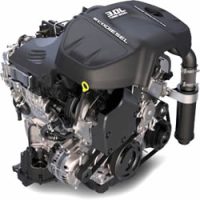
Reconditioned In The UK
Our engine factories recondition all engines here in the UK. We have the capacity & ability to remanufacture engines for any van or commercial vehicle. All with our team of highly skilled and qualified engineers.
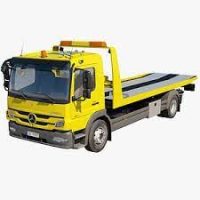
Car Recovery Options
We work with leading Transport Providers across England and Wales. If you are unable to arrange delivery of your vehicle to us we can arrange the most competitive vehicle recovery option for you. Cars & Light Commercials.