
Volvo engines reconditioned rebuild specialist
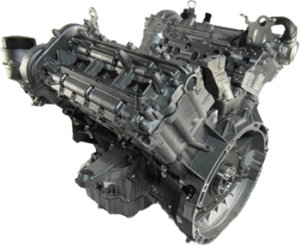
For a few years now Volvo Engines have been one of our specialities. Because we recondition so many engines we usually have a good stock of core engines and parts in our stores.
Volvo Engines at the lowest prices anywhere.
This combined with our vast knowledge of Volvo engines gives us not only a competitive edge when it comes to price, it offers you peace of mind that your car engine is in safe hands.
Rebuild Or Replacement Volvo Engines & Installed Fast!
Because we know how important your Volvo is to you, we aim to turn all Volvo car engines round quicker than our competition take to price the job up. Whether it’s an off the shelf engine installed or collect and return procedure we can usually turn this around in a short time frame.
Unbeatable Price, Guaranteed!
Due to the high volume of Volvo engines we recondition and the amount of associated components we purchase we’re able to offer engines at a very affordable price. We’re also able to arrange collection and delivery services at very competitive rates.
All of our Volvo car Engines are covered by our comprehensive Guarantee. Please ask for full details.
Nationwide Volvo Recovery To Our Workshops.
Rebuilding, reconditioning your engine may only be one part of your concerns. The other issue is how to get your car to us. It may be with a main dealer, on your drive or already with an independent garage workshop. We are collecting cars to return to our main workshops wih trusted transport partners on a weekly basis, all fully insured.
We can collect your vehicle and rebuild in our fully equipped workshops.
Whether rebuilding your engine or replacing, rest assured we work with you on a fully costed quote prior to any works. You will find we offer the most competitive prices around due to our large parts buying power and decades of experience .
Both the workmanship and components in our rebuilt engines are covered by a comprehensive warranty.
Volvo engines are known for very specific engine problems which is why specialist Volvo engine knowledge is important. Our fully trained technicians and modern equipped workshops have much experience. Rebuild or replace your engine, we will diagnose and advise quickly and professional service is assured.

GET A QUOTE, SIMPLY FILL IN THE FORM WITH YOUR REGISTRATION NUMBER AND DETAILS, AND WE WILL DO THE REST:
Once we know your vehicle we can come back to you with a quote at the earliest opportunity, with an all inclusive price.
You can choose from either one of our rebuilt engines or for your engine to be fully remanufactured by our expert techinicians in our fully equipped modern workshops. All engines are fully rebuilt using original equipment manufacturer (OEM) parts or even upgraded latest specification components.
As our workshops are fully equipped with the latest diagnostic equipment ,we are therefore able to fully test your engine ancillary components too. This ensures you will be up and running with a fully tested, installed and guaranteed UK remanufactured engine.
Common Volvo Engine Problems UK: Models from 2013 to 2025
Volvo has built a strong reputation for safety, comfort and dependable motoring. However, like any manufacturer, certain Volvo models and engine types can develop mechanical problems as they age and accumulate mileage. From excessive oil consumption and diesel particulate filter (DPF) faults to turbocharger problems and timing belt failures, engine issues can affect Volvo cars, SUVs and estate vehicles across the UK.
At Remanufactured Engines, we help motorists find cost-effective solutions when their Volvo engine develops a serious fault or suffers complete engine failure. We rebuild, recondition and replace Volvo engines at very competitive prices, helping drivers explore alternatives to the expense of a brand-new engine.
You can request a simple online quote using your car registration number, making it easier to identify the correct replacement or reconditioned engine for your vehicle.
This guide covers common Volvo engine problems affecting models manufactured or registered between 2013 and 2025, including the Volvo V40, V60, S60, S90, XC40, XC60 and XC90.
Which Volvo Models Can Develop Engine Problems?
Volvo has used a range of petrol, diesel, mild-hybrid, plug-in hybrid and fully electric powertrains during this period. The precise engine fitted depends on the model year, engine code, specification and market.
Commonly encountered Volvo models include:
Volvo V40: Compact hatchback with petrol and diesel engine options.
Volvo V60: Estate car available with several petrol and diesel engines, as well as hybrid powertrains.
Volvo S60: Saloon with petrol, diesel and electrified engine options, depending on year.
Volvo S90: Executive saloon with petrol, diesel and hybrid variants.
Volvo V90: Premium estate with several engine and hybrid configurations.
Volvo XC40: Compact SUV with petrol, diesel, mild-hybrid, plug-in hybrid and electric versions across its production life.
Volvo XC60: Popular family SUV with petrol, diesel, mild-hybrid and plug-in hybrid engines.
Volvo XC90: Large SUV with petrol, diesel and plug-in hybrid powertrains.
Volvo C40 and EC40: Electric models that use electric drive units rather than conventional combustion engines.
Not every Volvo model experiences the same problems. Early versions of certain 2.0-litre Drive-E engines have been associated with oil consumption concerns, while some diesel engines can suffer EGR, DPF and turbocharger-related faults. The correct diagnosis depends on the particular engine fitted.
1. Excessive Oil Consumption in Volvo Petrol and Diesel Engines
Excessive oil consumption is one of the more significant issues reported on some Volvo engines, particularly certain early 2.0-litre Drive-E petrol and diesel units.
Some early four-cylinder engines have been associated with piston ring problems that can allow excessive oil to enter the combustion chambers. The likelihood and severity depend on the exact engine version and whether previous remedial work has been completed.
Symptoms of excessive Volvo engine oil consumption include:
Regularly needing to top up engine oil between services.
Blue or grey smoke from the exhaust.
An engine oil warning or low-oil-level message.
Reduced engine performance.
Fouled spark plugs on petrol engines.
Increased exhaust emissions.
If oil consumption becomes excessive, simply topping up the oil may not address the underlying mechanical fault. A specialist inspection may be required to assess the piston rings, cylinders, crankcase ventilation system and other possible causes.
Where internal engine damage has occurred, rebuilding or replacing the engine may be a more appropriate solution than repeatedly repairing individual components.
2. Volvo D4 Diesel Engine Problems
Volvo’s D4 badge has been used on different diesel engines over the years, including five-cylinder and four-cylinder units. Some later models use the four-cylinder 2.0-litre Drive-E diesel.
Certain early four-cylinder D4 engines have been associated with excessive oil consumption, EGR system faults and intake system problems.
Common symptoms of Volvo D4 engine problems include:
Loss of engine power.
Poor acceleration.
Increased oil consumption.
Engine management warning lights.
Rough running or hesitation.
Excessive exhaust smoke.
Reduced fuel economy.
EGR valve or cooler faults can affect engine performance, while serious oil consumption may require investigation of internal engine components.
The D4 designation alone does not identify a single engine design, so the engine code and vehicle details should always be checked before deciding on a repair.
3. Volvo D5 Diesel Engine Problems
Volvo’s five-cylinder D5 diesel engines have been fitted to several models, including versions of the XC60, XC90, V60 and S60. Many have covered high mileages, but age, maintenance history and component wear can contribute to engine problems.
Potential issues include turbocharger faults, injector problems, EGR or DPF restrictions and timing belt system failures where scheduled maintenance has been missed or components have failed.
Warning signs of Volvo D5 engine trouble include:
Difficulty starting the engine.
Loss of power under acceleration.
Excessive exhaust smoke.
Unusual turbocharger noises.
Rough idling.
Increased fuel consumption.
Engine warning lights.
A failed timing belt can cause severe internal engine damage on an interference engine. It is therefore important to follow the correct maintenance schedule for the specific engine rather than relying on a general interval.
If a D5 engine suffers major internal damage, a professional assessment can help determine whether rebuilding, reconditioning or replacement offers the most suitable route back to the road.
4. Volvo DPF Problems and Diesel Engine Damage
The diesel particulate filter captures soot from the exhaust and periodically burns it off through a process known as regeneration.
Volvo diesel vehicles that regularly make short journeys or spend much of their time in slow-moving urban traffic may struggle to complete regeneration successfully.
A blocked or restricted DPF can cause reduced performance and increased exhaust back pressure. If the underlying problem is ignored, the vehicle may experience further engine or emissions-system complications.
Common symptoms of Volvo DPF problems include:
DPF or engine management warning lights.
Reduced engine power or limp mode.
Increased fuel consumption.
Cooling fans continuing to run after a journey.
Repeated unsuccessful regeneration attempts.
Rising engine oil levels where fuel dilution occurs.
A DPF fault does not automatically mean the engine needs replacing. Diagnosis should establish whether the problem lies with the filter, sensors, EGR system, injectors or another underlying fault.
If fuel dilution or excessive exhaust back pressure has contributed to internal engine damage, more extensive repairs may be necessary.
5. Volvo EGR Valve and EGR Cooler Failures
The exhaust gas recirculation (EGR) system helps reduce nitrogen oxide emissions by recirculating a controlled amount of exhaust gas into the engine.
Over time, soot and carbon deposits can affect the operation of EGR valves, coolers and associated intake components. Certain Volvo diesel engines have been associated with EGR-related issues.
Symptoms of EGR problems can include:
Uneven engine running.
Reduced acceleration.
Increased fuel consumption.
Engine management warning lights.
Excessive smoke.
Hesitation when accelerating.
A faulty EGR valve or cooler may be repairable without replacing the engine. However, if a serious underlying fault has caused overheating or internal damage, the condition of the complete engine should be assessed.
6. Volvo Timing Belt Failure
Many Volvo petrol and diesel engines use a timing belt, although the arrangement varies by engine. The belt synchronises the crankshaft and camshaft so that the valves operate at the correct time.
Timing belts, tensioners and associated components deteriorate with age and use. If a belt breaks or slips, some engines can suffer extensive damage to pistons, valves and cylinder heads.
Signs of a possible timing belt-related problem include:
A sudden engine shutdown.
An engine that turns over unusually quickly but will not start.
Unusual mechanical noises before a failure.
Evidence of neglected timing belt maintenance.
A timing belt can fail without providing much warning, so preventive replacement is essential. Always check the correct time and mileage interval for the particular Volvo engine.
If the belt has failed, do not repeatedly attempt to start the engine. Arrange a professional assessment to establish the extent of the damage.
Depending on the findings, rebuilding or replacing the engine may be necessary.
7. Volvo Turbocharger Problems
Turbochargers are fitted to many Volvo petrol and diesel engines to improve power and efficiency. They operate at high speeds and temperatures and depend on an adequate supply of clean engine oil.
Turbocharger problems can arise from wear, lubrication issues, oil contamination, damaged components or faults in the associated air and boost control systems.
Common symptoms of Volvo turbocharger failure include:
Noticeable loss of power.
Whistling, whining or scraping noises.
Blue, grey or black exhaust smoke.
Increased oil consumption.
Poor acceleration.
Engine warning lights or limp mode.
Not every loss of boost means the turbocharger itself has failed. Split hoses, boost leaks, sensors and control actuators can produce similar symptoms.
If a turbocharger has failed catastrophically, it is important to check for oil contamination, debris and any resulting internal engine damage before fitting replacement components.
8. Volvo Engine Overheating and Head Gasket Problems
Engine overheating can affect Volvo petrol and diesel models, particularly when cooling system problems are not identified promptly.
Potential causes include coolant leaks, a failing water pump, a faulty thermostat, radiator problems or a damaged head gasket.
Continuing to drive with an overheating engine can cause significant damage to the cylinder head, head gasket, pistons and other internal components.
Signs of overheating or possible head gasket failure include:
The temperature gauge rising above its normal range.
Coolant loss without an obvious external leak.
Persistent white exhaust smoke once the engine is warm.
A misfiring engine.
Bubbles in the coolant reservoir.
Milky deposits under the oil filler cap, although condensation can also cause this.
Engine oil contaminated with coolant.
These symptoms do not prove that the head gasket has failed. Proper diagnostic testing is needed to establish the cause.
If your Volvo has overheated severely, stop driving as soon as it is safe to do so and arrange professional assistance. Continuing to run the engine may turn a repairable fault into a major engine failure.
9. Volvo Injector and Fuel System Problems
Diesel injectors deliver carefully measured quantities of fuel into the combustion chambers. Faulty injectors can affect combustion, engine performance and emissions.
Some Volvo diesel engines may develop injector wear, fuel leakage or fuel delivery problems as they age.
Symptoms of injector or fuel system faults include:
Difficult starting.
Rough idling.
Engine misfires or hesitation.
Excessive exhaust smoke.
Reduced fuel economy.
Knocking or unusual combustion noises.
Fuel dilution of the engine oil in certain circumstances.
A diagnostic inspection can establish whether the fault is limited to an injector, fuel pressure component or associated system.
If the vehicle has been driven with a serious fuel system fault, it is also important to check for any resulting internal engine damage.
10. Volvo Petrol Engine Misfires and Loss of Power
Volvo petrol engines can develop misfires or poor running for a number of reasons. Common causes include worn spark plugs, failing ignition coils, air leaks, fuel delivery problems and sensor faults.
More serious mechanical causes, such as poor compression or internal engine wear, should also be considered when simpler repairs do not resolve the problem.
Typical symptoms include:
Shaking or vibration at idle.
Hesitation when accelerating.
Reduced power.
An illuminated engine management light.
Increased fuel consumption.
Difficulty starting.
A flashing engine management light can indicate a serious misfire that may damage the catalytic converter. Stop driving if the engine is running severely roughly and arrange a diagnosis.
If compression testing identifies significant internal damage, an engine rebuild or replacement may be worth considering.
11. Volvo XC60 Engine Problems
The Volvo XC60 has been one of Volvo’s popular family SUVs in the UK, with a wide selection of petrol, diesel and hybrid powertrains across the 2013–2025 period.
Reported issues vary by engine generation. Some earlier 2.0-litre D4 and T5 versions have been associated with excessive oil consumption, while diesel variants can develop EGR, DPF, turbocharger and fuel system problems.
Potential warning signs include:
Excessive oil consumption.
Loss of engine power.
Engine warning lights.
Poor starting or rough running.
Smoke from the exhaust.
Overheating.
Later XC60 mild-hybrid and plug-in hybrid models have additional electrical and hybrid-system components. A diagnosis should distinguish between a conventional engine fault and a problem involving the hybrid powertrain.
If your Volvo XC60 has suffered major engine failure, Remanufactured Engines can help you explore rebuilding, reconditioning or replacement options.
12. Volvo XC90 Engine Problems
The Volvo XC90 is a large premium SUV that has been offered with several different petrol, diesel and plug-in hybrid powertrains.
As with other Volvo models, engine problems depend on the exact engine fitted and its service history. Potential concerns include oil consumption on certain engines, turbocharger faults, cooling system problems and diesel emissions-system issues.
On plug-in hybrid versions, engine-related symptoms can sometimes overlap with faults in the hybrid system, so specialist diagnosis is important.
Symptoms that require investigation include:
Engine overheating.
Poor acceleration.
Excessive smoke.
Oil or coolant loss.
Unusual engine noises.
Warning lights or repeated engine shutdowns.
Because the XC90 is a substantial vehicle with complex powertrain options, identifying the correct engine is particularly important when sourcing a replacement.
13. Volvo V40 Engine Problems
The Volvo V40 was available in the UK with a range of petrol and diesel engines during its production run, including D2, D3, D4 and T-series variants.
Certain diesel versions have been associated with EGR and DPF issues, particularly where vehicles have mainly completed short journeys. Some 2.0-litre D4 engines have also been associated with oil consumption concerns.
Common symptoms include:
Reduced engine power.
Engine warning lights.
Poor running or hesitation.
Excessive oil consumption on affected engines.
DPF regeneration problems.
Increased fuel consumption.
Before deciding that a V40 needs a replacement engine, a diagnostic inspection should rule out repairable emissions, fuel, sensor and ignition faults.
14. Volvo V60 and S60 Engine Problems
The Volvo V60 estate and S60 saloon have shared several engine families over the years. Both have been sold with petrol and diesel engines, with hybrid versions available in later generations.
Potential engine concerns include excessive oil consumption on certain early Drive-E engines, diesel EGR or DPF faults, turbocharger problems and timing belt maintenance issues on applicable engines.
Warning signs include:
Engine misfires.
Oil consumption between services.
Loss of power under load.
Unusual mechanical noises.
Difficult starting.
Excessive exhaust smoke.
The exact engine code should be confirmed before ordering parts or sourcing a replacement unit, as engines carrying the same model badge can differ substantially.
15. Volvo S90 and V90 Engine Problems
The Volvo S90 saloon and V90 estate use a variety of petrol, diesel and electrified powertrains, depending on the model year.
Potential issues can include turbocharger or boost control faults, diesel emissions-system problems, oil leaks, overheating and internal engine wear.
On plug-in hybrid models, faults involving the electric drive system can complicate diagnosis, and a warning light does not necessarily indicate that the combustion engine itself has failed.
A thorough assessment can help determine whether a repair, engine reconditioning or replacement is the most cost-effective solution.
16. Volvo XC40 Engine Problems
The Volvo XC40 has been offered with petrol, diesel, mild-hybrid, plug-in hybrid and fully electric powertrains during the relevant period.
Combustion-engine versions may develop issues associated with oil consumption, ignition, turbocharging, cooling systems or diesel emissions equipment, depending on the particular engine.
The fully electric XC40 Recharge and related electric models do not have conventional petrol or diesel engines. They use electric motors and associated drive components instead, so a conventional engine replacement is not applicable.
When requesting a quote, provide your vehicle registration so that the correct powertrain can be identified.
17. Volvo T5 and T6 Petrol Engine Problems
Volvo T5 and T6 badges have been used on different petrol engine configurations over time. Depending on the model and year, these may incorporate turbocharging or a combination of turbocharging and supercharging.
Certain earlier 2.0-litre T5 engines have been associated with excessive oil consumption, while turbocharged engines generally require careful attention to lubrication, cooling and boost control.
Possible symptoms include:
Increased oil consumption.
Loss of power.
Unusual turbocharger noises.
Misfiring or rough running.
Exhaust smoke.
Engine warning lights.
These symptoms can also be caused by ignition, sensor or air intake faults, so an accurate diagnosis is essential before deciding whether an engine needs rebuilding or replacing.
18. Volvo T8 Plug-in Hybrid Engine Problems
Volvo T8 plug-in hybrid models combine a petrol engine with an electric drive system. The precise arrangement varies by model and generation.
The combustion engine can develop many of the same mechanical faults as other petrol engines, while the additional hybrid components introduce separate diagnostic considerations.
Potential symptoms include rough running, loss of engine power, overheating, unusual noises and warning messages.
A hybrid warning does not automatically mean the petrol engine has failed. The engine, electric drive system and associated controls need to be assessed separately.
If a T8 petrol engine has sustained internal damage, specialist advice can help establish whether rebuilding or replacement is feasible for that particular powertrain.
19. Volvo Engine Problems in 2020–2025 Models
Newer Volvo vehicles may use petrol mild-hybrid systems, plug-in hybrid powertrains or fully electric drive systems, depending on the model and specification.
Although newer vehicles may have lower mileage, they can still develop mechanical, lubrication, cooling, fuel delivery or electronic control problems.
The following points are worth considering:
Petrol mild-hybrid models: The combustion engine can experience conventional petrol engine faults alongside separate mild-hybrid system issues.
Diesel models: Where fitted, DPF, EGR, turbocharger and fuel system faults remain possible.
Plug-in hybrid models: Engine faults must be distinguished from problems involving the electric drive system or hybrid controls.
Fully electric models: These have electric drive units rather than conventional combustion engines, so the repair requirements are different.
For newer vehicles, warranty coverage, software updates and any applicable manufacturer campaigns should also be checked before deciding on a major repair.
How Do You Know If Your Volvo Engine Needs Rebuilding or Replacing?
Not every Volvo engine problem requires a complete replacement. Some faults can be resolved by repairing an individual component, while more extensive internal damage may justify a rebuild or replacement engine.
A professional assessment should consider the cause of the failure, the engine’s overall condition, the cost of repairs and the availability of a suitable replacement unit.
Signs that a more extensive engine repair may be needed include:
Severe internal knocking or mechanical damage.
Low compression across one or more cylinders.
A timing belt failure that has damaged internal components.
Significant oil consumption caused by internal wear.
Severe overheating or internal coolant contamination.
An engine that has seized or suffered catastrophic failure.
The most suitable option depends on the specific vehicle and engine. A rebuild may be appropriate when the main components can be repaired economically, while a replacement engine may be preferable where the original unit is extensively damaged.
Volvo Engine Rebuilds, Reconditioning and Replacement in the UK
At Remanufactured Engines, we help UK motorists explore practical options when their Volvo engine develops a serious fault.
Our services include:
Volvo engine rebuilding: Rebuilding an engine where its condition and the extent of damage make this a suitable option.
Volvo engine reconditioning: Restoring an engine through appropriate inspection, repair and replacement of worn or damaged components.
Volvo engine replacement: Helping you source a suitable replacement engine when repairing the original unit is not the best option.
The right solution depends on your vehicle, engine code, fault and budget. We aim to offer competitive pricing and make it straightforward to request a quote.
Get a Competitive Quote for Your Volvo Engine
If your Volvo has developed a serious engine fault, is using excessive oil, has lost power or has suffered complete engine failure, you do not necessarily need to start by looking for a brand-new engine.
At Remanufactured Engines, we help customers explore Volvo engine rebuild, reconditioning and replacement options at very competitive prices.
Our simple online quote process uses your car registration number to help identify the correct vehicle and engine details, making it easier to begin your enquiry.
Visit Remanufactured Engines Quotes Page today and request an online quote using your registration number.
Whether you drive a Volvo V40, V60, S60, XC40, XC60, XC90 or another compatible model, we can help you explore the available options for getting back on the road.
Frequently Asked Questions About Volvo Engine Problems
Which Volvo engines are known for excessive oil consumption?
Certain early 2.0-litre Drive-E petrol and diesel engines have been associated with excessive oil consumption. The problem does not affect every engine, and the exact engine code, production date and previous repair history should be checked.
What are the most common Volvo diesel engine problems?
Potential problems include DPF restrictions, EGR valve or cooler faults, turbocharger issues, injector faults and timing belt-related failures. The specific risks vary by engine generation and how the vehicle has been maintained and driven.
Can a Volvo engine be rebuilt instead of replaced?
Yes, depending on the extent of the damage and the condition of the engine’s major components. A professional assessment can help establish whether rebuilding, reconditioning or replacement is the most suitable option.
Is a reconditioned Volvo engine cheaper than a new engine?
A reconditioned or remanufactured engine can be a more cost-effective alternative to a brand-new unit. The overall cost depends on the engine, the extent of the work required, availability and fitting costs.
Can I get a quote for a replacement Volvo engine using my registration number?
Yes. Remanufactured Engines offers a simple online quote process using your vehicle registration number to help identify your Volvo and establish the appropriate engine options.
Do all Volvo XC60 and XC90 models use the same engine?
No. Both model ranges have used different petrol, diesel and hybrid powertrains across different generations. Always confirm the precise engine specification before sourcing a replacement.
Conclusion: Finding the Right Solution for Volvo Engine Failure
Volvo vehicles offer a broad choice of engines and powertrains, but faults can develop through wear, inadequate maintenance, component failure or other mechanical problems.
From excessive oil consumption and turbocharger faults to DPF restrictions, timing belt failure and overheating, identifying the underlying cause is the first step towards choosing the right repair.
If your Volvo engine requires major work, Remanufactured Engines can help you explore competitive engine rebuilding, reconditioning and replacement options.
Visit Remanufactured Engines and request your online quote using your car registration number to get started.
Engine Quote Line at Remanufactured Engines on 03333 449262

Fully Guaranteed Engines
Our Remanufactured Engines are offered with a class leading comprehensive 6 Month Unlimited Mileage Guarantee. By ensuring we only use latest specification original manufacturer components, your peace of mind is assured.
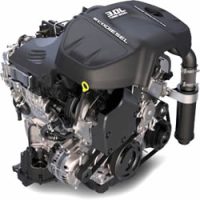
Reconditioned In The UK
Our engine factories recondition all engines here in the UK. We have the capacity & ability to remanufacture engines for any van or commercial vehicle. All with our team of highly skilled and qualified engineers.
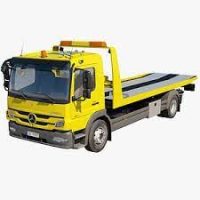
Car Recovery Options
We work with leading Transport Providers across England and Wales. If you are unable to arrange delivery of your vehicle to us we can arrange the most competitive vehicle recovery option for you. Cars & Light Commercials.