
Land Rover engines reconditioned rebuild specialist
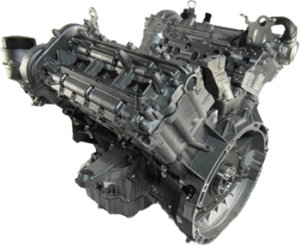
For a few years now Land Rover Engines have been one of our specialities. Because we recondition so many engines we usually have a good stock of core engines and parts in our stores.
Land Rover Engines at the lowest prices anywhere.
This combined with our vast knowledge of Land Rover engines gives us not only a competitive edge when it comes to price, it offers you peace of mind that your car engine is in safe hands.
Rebuild Or Replacement Land Rover Engines & Installed Fast!
Because we know how important your Land Rover is to you, we aim to turn all Land Rover car round quicker than our competition take to price the job up. Whether it’s an off the shelf engine installed or collect and return procedure we can usually turn this around in a short time frame.
Unbeatable Price, Guaranteed!
Due to the high volume of Land Rover engines we recondition and the amount of associated components we purchase we’re able to offer engines at a very affordable price. We’re also able to arrange collection and delivery services at very competitive rates.
All of our Land Rover car Engines are covered by our comprehensive Guarantee. Please ask for full details.
Nationwide Land Rover Recovery To Our Workshops.
Rebuilding, reconditioning your engine may only be one part of your concerns. The other issue is how to get your car to us. It may be with a main dealer, on your drive or already with an independent garage workshop. We are collecting cars to return to our main workshops wih trusted transport partners on a weekly basis, all fully insured.
We can collect your vehicle and rebuild in our fully equipped workshops.
Whether rebuilding your engine or replacing, rest assured we work with you on a fully costed quote prior to any works. You will find we offer the most competitive prices around due to our large parts buying power and decades of experience .
Both the workmanship and components in our rebuilt engines are covered by a comprehensive warranty.
Land Rover engines are known for very specific engine problems which is why specialist Land Rover engine knowledge is important. Our fully trained technicians and modern equipped workshops have much experience. Rebuild or replace your engine, we will diagnose and advise quickly and professional service is assured.

GET A QUOTE, SIMPLY FILL IN THE FORM WITH YOUR REGISTRATION NUMBER AND DETAILS, AND WE WILL DO THE REST:
Once we know your vehicle we can come back to you with a quote at the earliest opportunity, with an all inclusive price.
You can choose from either one of our rebuilt engines or for your engine to be fully remanufactured by our expert techinicians in our fully equipped modern workshops. All engines are fully rebuilt using original equipment manufacturer (OEM) parts or even upgraded latest specification components.
As our workshops are fully equipped with the latest diagnostic equipment ,we are therefore able to fully test your engine ancillary components too. This ensures you will be up and running with a fully tested, installed and guaranteed UK remanufactured engine.
Common Land Rover Engine Problems (2013–2025):
Land Rover vehicles are renowned for their off-road capability, luxury interiors and impressive performance. However, like any vehicle manufacturer, Land Rover has produced engines that can develop problems over time. From Ingenium diesel engine timing chain problems to turbocharger failures, oil leaks, DPF issues and engine overheating, recognising the warning signs early can help you avoid more expensive repairs.
At Remanufactured Engines, we help drivers looking for a cost-effective solution when their Land Rover engine develops a serious fault. We rebuild, recondition or replace Land Rover engines at very competitive prices, with a simple online quote available using your vehicle registration number.
Whether you drive a Range Rover Evoque, Discovery Sport, Discovery, Range Rover Sport, Defender or Range Rover, understanding the common engine problems associated with your model can help you make an informed decision about repairs or replacement.
What Are the Most Common Land Rover Engine Problems?
Land Rover engine problems vary depending on the model, engine type, year of manufacture, mileage and maintenance history. Some faults are associated with particular engine families, while others can affect a range of petrol and diesel engines.
Common problems reported across various Land Rover engine types include:
Ingenium diesel timing chain wear, stretching or failure.
Oil dilution caused by diesel particulate filter regeneration.
Low oil pressure and lubrication-related engine damage.
Turbocharger failure or reduced turbo performance.
Diesel particulate filter (DPF) blockages.
Exhaust gas recirculation (EGR) valve and cooler faults.
Cooling system leaks and engine overheating.
Fuel injector and high-pressure fuel system problems.
Excessive oil consumption and oil leaks.
Loss of engine power, poor acceleration and limp mode.
Internal engine wear, bearing damage and engine seizure.
Not every Land Rover engine suffers from these problems. However, if your vehicle develops persistent warning lights, unusual noises or a noticeable loss of performance, it is important to arrange a professional diagnosis before further damage occurs.
Land Rover Ingenium Engine Problems
Ingenium engines were introduced by Jaguar Land Rover to provide improved efficiency, performance and emissions control. They are fitted to a range of Land Rover and Range Rover models, including certain Discovery Sport, Range Rover Evoque, Discovery, Range Rover Velar and Range Rover Sport variants.
Ingenium engines are available in different petrol and diesel configurations. The exact faults to look out for depend on the engine version and vehicle specification.
The 2.0-litre Ingenium diesel engine is particularly associated with owner reports of timing chain noise, oil dilution and lubrication-related concerns.
Ingenium Diesel Timing Chain Problems
Timing chain problems are among the best-known concerns associated with some Ingenium diesel engines.
The timing chain synchronises the crankshaft and camshaft, allowing the engine’s valves to operate at the correct time. If the chain stretches, its tensioning system wears or related components fail, the engine may become noisy or run incorrectly.
Potential warning signs include:
A rattling noise from the engine, particularly during starting.
Persistent metallic noises from the timing chain area.
Engine management warning lights.
Rough running or poor engine performance.
Difficulty starting the vehicle.
Engine failure if the timing chain jumps or breaks.
Timing chain problems should never be ignored. If the chain loses its correct timing, internal engine components can collide, potentially causing extensive damage.
A professional assessment can establish whether a timing chain repair is appropriate or whether the damage is severe enough to require a rebuilt, reconditioned or replacement engine.
Ingenium Engine Oil Dilution Problems
Oil dilution is another concern associated with certain Ingenium diesel engines.
Diesel engines fitted with a DPF periodically carry out regeneration to burn off accumulated soot. During some regeneration cycles, fuel can enter the engine oil, particularly when regeneration is repeatedly interrupted or conditions prevent the process from completing properly.
Over time, excessive fuel contamination can reduce the oil’s lubricating properties.
Possible warning signs include:
An engine oil level that rises unexpectedly.
Oil that smells strongly of diesel.
Oil degradation or contamination.
Increased engine noise.
Lubrication-related warning lights.
Premature engine wear in severe cases.
If you suspect oil dilution, arrange an inspection promptly. Continuing to drive with severely contaminated oil can increase the risk of damage to bearings, the crankshaft, turbocharger and other internal components.
Regular servicing with the correct specification of engine oil is important. Repeated DPF regeneration problems should also be investigated rather than simply changing the oil and ignoring the underlying cause.
Ingenium Engine Low Oil Pressure and Internal Damage
Poor lubrication can cause serious problems in any engine, including some Ingenium diesel and petrol variants.
Low oil pressure may result from oil contamination, an unsuitable oil specification, oil pump problems, blocked oilways, excessive internal wear or other mechanical faults.
When engine components do not receive sufficient lubrication, friction and operating temperatures can increase. This can lead to bearing damage, crankshaft wear and, in severe cases, complete engine failure.
Warning signs may include:
An oil pressure warning light.
Knocking or tapping noises.
Excessive engine temperature.
Metal particles in the engine oil.
A sudden loss of performance.
Engine seizure.
If the oil pressure warning light comes on while the engine is running, stop safely and switch the engine off as soon as it is safe to do so. Do not continue driving in an attempt to reach your destination.
Remanufactured Engines can help you explore the available options if your Land Rover engine has suffered serious internal damage.
Ingenium Turbocharger Problems
Turbochargers improve engine power and efficiency by forcing more air into the engine. Turbocharger faults can affect both petrol and diesel engines, including certain Ingenium variants.
Possible causes include inadequate lubrication, contaminated oil, worn bearings, excessive operating temperatures, damaged components or problems elsewhere in the engine management system.
Common symptoms include:
Reduced acceleration and engine power.
Whistling, whining or other unusual noises.
Excessive exhaust smoke.
Increased oil consumption.
Engine management warning lights.
Limp mode or restricted performance.
Turbocharger failure does not automatically mean the entire engine needs replacing. However, if the turbocharger has failed because of oil starvation or if debris has entered the engine, additional damage may have occurred. The underlying cause should be investigated before fitting a replacement turbocharger.
Ingenium Petrol Engine Problems
Ingenium petrol engines are fitted to selected Land Rover and Range Rover models. As with any modern petrol engine, potential issues can include turbocharger faults, cooling system problems, oil leaks, sensor failures, fuel system faults and internal mechanical wear.
The symptoms and likely causes vary by engine version.
If your Ingenium petrol engine develops persistent misfires, unusual knocking, excessive oil consumption or overheating, a professional diagnosis is recommended. Early investigation may help distinguish a repairable component fault from a more serious internal engine problem.
Land Rover 2.0-Litre Diesel Engine Problems
The 2.0-litre Ingenium diesel is found in a number of Land Rover and Range Rover vehicles produced during the period covered by this guide.
Common concerns associated with some versions include timing chain wear, oil dilution, DPF regeneration difficulties, EGR faults and turbocharger problems.
Short journeys and frequent stop-start driving can make it more difficult for a diesel DPF to complete regeneration successfully. Repeated interrupted regeneration can contribute to soot accumulation and may increase the risk of fuel entering the engine oil.
If your Land Rover is regularly used for short journeys, pay attention to warning lights, changes in engine oil level and any noticeable change in engine noise or performance.
Land Rover 2.2-Litre Diesel Engine Problems
Some Land Rover models produced during the earlier part of the 2013–2025 period were fitted with 2.2-litre diesel engines rather than Ingenium units.
Depending on the specific engine, potential problems can include DPF blockages, EGR faults, turbocharger issues, injector problems, oil leaks and general wear associated with age and mileage.
A vehicle’s registration year alone does not always identify the exact engine fitted. Checking the engine code and specification is important when sourcing replacement engines or investigating a fault.
Land Rover 3.0-Litre Diesel Engine Problems
Certain Land Rover and Range Rover models are fitted with 3.0-litre V6 or later six-cylinder diesel engines, depending on model and year.
Potential problems can include oil leaks, turbocharger or boost system faults, cooling system failures, fuel injection issues and internal engine wear. Some engine families also have specific mechanical concerns that require diagnosis based on the exact engine code.
A 3.0-litre diesel that develops knocking noises, low oil pressure, overheating or metal contamination in the oil should be assessed promptly.
Where internal damage has occurred, the most suitable solution may be an engine rebuild, reconditioning or replacement, depending on the extent of the damage and the availability of suitable parts.
Land Rover Discovery Sport Engine Problems (2015–2025)
The Discovery Sport has been offered with a range of petrol and diesel engines, including Ingenium variants.
Common problems to investigate include:
Timing chain noise on applicable Ingenium diesel engines.
Oil dilution and DPF regeneration issues.
EGR valve and emissions system faults.
Turbocharger and boost pressure problems.
Coolant leaks and overheating.
Poor acceleration or engine management warnings.
If your Discovery Sport develops a rattling engine, an increasing oil level or repeated engine warning lights, do not assume the fault is minor. A diagnostic assessment can help identify whether the problem relates to an individual component or wider engine damage.
Range Rover Evoque Engine Problems (2013–2025)
The Range Rover Evoque has been available with several diesel and petrol engines across its different generations.
Potential engine problems vary by year and engine specification, but areas worth investigating include:
Ingenium diesel timing chain wear on applicable models.
Diesel oil dilution and DPF problems.
Turbocharger faults and loss of boost.
EGR and emissions control issues.
Fuel injection problems.
Oil leaks and cooling system faults.
Internal engine wear following lubrication problems.
A sudden reduction in power, persistent smoke from the exhaust or unusual engine noises should be checked promptly. Continuing to drive with a serious mechanical fault can turn a repairable problem into a more costly engine failure.
Range Rover Velar Engine Problems (2017–2025)
The Range Rover Velar has been offered with a variety of petrol and diesel powertrains, including Ingenium engines and other engine configurations depending on year and market.
Potential concerns include timing chain problems on applicable engines, DPF and EGR faults on diesel models, turbocharger issues, oil leaks, cooling system problems and fuel system faults.
Because the Velar uses sophisticated engine management and emissions systems, warning lights and reduced performance can have several possible causes. A proper diagnosis is essential before deciding whether an engine needs repair or replacement.
Land Rover Discovery Engine Problems (2013–2025)
Land Rover Discovery models from this period have used different diesel and petrol engines, including four-cylinder and six-cylinder options depending on generation.
Potential problems can include:
Turbocharger or boost system failures.
DPF and EGR faults on diesel models.
Fuel injector and fuel pressure problems.
Cooling system leaks and overheating.
Oil leaks and lubrication problems.
Internal wear or mechanical damage in high-mileage engines.
If your Discovery starts producing knocking noises, loses power or shows signs of overheating, stop driving if a serious engine fault is suspected and arrange an inspection.
Range Rover Sport Engine Problems (2013–2025)
The Range Rover Sport has been available with multiple engine options, including V6, V8, Ingenium and other powertrains depending on model year and specification.
Potential engine concerns include turbocharger faults, oil leaks, cooling system problems, fuel injection issues and internal mechanical wear. Applicable diesel versions may also experience DPF, EGR or oil dilution problems.
On some engines, overheating can lead to serious internal damage if it is not addressed quickly. Warning signs such as coolant loss, steam, a rising temperature gauge or repeated overheating should never be ignored.
The correct repair depends on the engine fitted and the extent of the damage. In severe cases, an engine rebuild, reconditioning or replacement may be the most practical option.
Land Rover Defender Engine Problems (2013–2025)
The Defender changed significantly during this period. Earlier Defender models and the newer Defender introduced for the 2020 model year use different engine options and engineering.
Potential problems vary according to the vehicle and engine fitted. Areas to investigate can include turbocharger faults, fuel system problems, cooling system leaks, emissions-related faults on diesel models and wear caused by demanding operating conditions.
Vehicles used regularly for towing, off-road driving or heavy workloads may experience increased demands on their cooling and lubrication systems.
Regular servicing and prompt attention to warning signs are particularly important if your Defender is used in challenging conditions.
Land Rover Freelander Engine Problems (2013 Models)
The original Land Rover Freelander was discontinued before the newer Discovery Sport became its successor. However, some Freelander 2 vehicles fall within the early years of the 2013–2025 period.
Depending on the engine fitted, potential concerns can include turbocharger faults, DPF blockages, EGR problems, injector faults, oil leaks and cooling system issues.
If you own a Freelander 2 and are experiencing a major engine fault, checking the exact engine specification is essential before obtaining a quote for an engine rebuild or replacement.
Land Rover Engine Overheating Problems
Overheating can affect many different Land Rover engines and may cause serious damage if the underlying problem is not resolved.
Possible causes include coolant leaks, a faulty thermostat, water pump problems, radiator restrictions, cooling fan faults or internal engine damage.
Common warning signs include:
A rising temperature gauge.
Coolant warning messages.
Steam from under the bonnet.
Coolant loss or visible leaks.
Poor cabin heating in some circumstances.
White exhaust smoke associated with certain internal faults.
If your Land Rover overheats, stop somewhere safe and switch the engine off. Never remove the coolant reservoir cap while the system is hot, as pressurised coolant can cause severe burns.
An overheating event does not always mean the engine needs replacing. However, if it has caused cylinder head, gasket or internal component damage, a more extensive repair may be necessary.
Land Rover DPF and EGR Engine Problems
Diesel particulate filters and exhaust gas recirculation systems are important parts of modern diesel emissions control.
A DPF collects soot from the exhaust, while the EGR system recirculates some exhaust gas to help control emissions. Faults in either system can affect engine performance and may trigger warning lights.
Potential symptoms include:
Reduced engine power.
Increased fuel consumption.
Frequent or unsuccessful DPF regeneration.
Engine management warning lights.
Limp mode.
Rough running or hesitation.
A DPF or EGR fault does not automatically mean the engine itself has failed. These systems should be diagnosed separately, and any underlying cause should be corrected before further repairs are carried out.
If an emissions system fault has contributed to oil dilution or lubrication problems, the engine should also be assessed for possible internal damage.
Land Rover Fuel Injector Problems
Fuel injectors deliver the correct amount of fuel into the engine. When an injector malfunctions, it can affect combustion, fuel economy and engine performance.
Possible symptoms include rough idling, misfires, difficult starting, excessive smoke, increased fuel consumption and reduced power.
In some circumstances, fuel system faults can contribute to more serious engine damage. For example, abnormal combustion or fuel contamination of the engine oil may affect internal components.
A professional diagnosis can determine whether an injector or fuel system repair is sufficient or whether the engine has suffered additional damage.
Land Rover Engine Oil Leaks and Excessive Oil Consumption
Oil leaks and increased oil consumption can occur for a variety of reasons, including worn seals, damaged gaskets, turbocharger problems or internal engine wear.
Warning signs include oil patches beneath the vehicle, a falling oil level, burning oil smells or blue exhaust smoke.
Check the oil level according to the vehicle manufacturer’s instructions and do not continue driving if oil pressure is low or the engine is making serious mechanical noises.
If your Land Rover repeatedly loses oil despite repairs, further investigation may be needed to identify whether the problem is an external leak, a turbocharger fault or internal engine wear.
Signs Your Land Rover Engine May Need Rebuilding or Replacing
Not every engine fault requires a complete replacement. However, certain symptoms can indicate significant mechanical damage.
Look out for the following warning signs:
Persistent knocking or heavy metallic engine noises.
Low oil pressure warnings.
Engine seizure or failure to turn over.
Severe overheating.
Metal particles in the engine oil.
Excessive blue or white exhaust smoke.
Major loss of compression.
Significant loss of power combined with mechanical noise.
A timing chain failure that has damaged internal components.
Repeated engine failures despite previous repairs.
These symptoms require professional investigation. Avoid driving a vehicle with suspected serious internal engine damage, as further use may increase repair costs.
Should You Repair, Rebuild or Replace a Land Rover Engine?
The right solution depends on the engine type, mileage, condition, availability of parts and extent of the damage.
Engine repair: If the problem is limited to a component such as a sensor, injector, turbocharger or cooling system part, a targeted repair may be sufficient.
Engine rebuild: A rebuild may be appropriate when an engine has suffered internal damage but its condition and the availability of parts make rebuilding viable.
Reconditioned engine: A reconditioned engine may provide an alternative to repairing a severely damaged original engine. The work carried out and the components replaced can vary, so always check the specification and warranty.
Replacement engine: Replacing the engine may be the most practical option when the original unit is beyond economical repair. Compatibility must be checked carefully using the vehicle’s exact specification and engine code.
At Remanufactured Engines, we help Land Rover owners explore engine rebuild, reconditioning and replacement options at very competitive prices.
Why Choose Remanufactured Engines for Your Land Rover?
A serious engine problem can be stressful, particularly when a replacement vehicle is expensive or impractical.
Remanufactured Engines offers a straightforward starting point for Land Rover owners who need to investigate their engine replacement options.
Competitive prices: Explore cost-effective options for serious engine problems.
Rebuild, recondition or replace: Find a solution suited to your engine’s condition and requirements.
Simple online quote: Start your enquiry using your vehicle registration number.
Support for different Land Rover models: Obtain advice based on your vehicle and engine specification.
A practical alternative to buying another vehicle: Compare the potential cost of an engine solution with the cost of replacing your Land Rover.
The correct engine must always be matched to your vehicle’s precise specification. Your registration number is a convenient starting point, but the engine code and other vehicle details may also need to be confirmed.
Get a Competitive Quote for Your Land Rover Engine
If your Land Rover has developed an Ingenium engine fault, timing chain problem, oil dilution issue, turbocharger failure or serious internal engine damage, Remanufactured Engines can help you explore your options.
We rebuild, recondition or replace Land Rover engines at very competitive prices, with a simple online quote process using your vehicle registration number.
Whether you own a Range Rover Evoque, Discovery Sport, Discovery, Range Rover Velar, Range Rover Sport or Defender, start your enquiry today.
Visit remanufactured-engines.co quote form to request your Land Rover engine quote and find out what options may be available for your vehicle.
Frequently Asked Questions About Land Rover Engine Problems
What Are the Most Common Land Rover Ingenium Engine Problems?
Some Ingenium diesel engines have been associated with timing chain wear, oil dilution, DPF regeneration difficulties and lubrication-related damage. Turbocharger, EGR and other engine faults can also occur. The likely problem depends on the exact engine version, vehicle history and maintenance.
Which Land Rover Models Have Ingenium Engines?
Ingenium engines have been fitted to selected versions of the Discovery Sport, Range Rover Evoque, Range Rover Velar, Discovery and Range Rover Sport, among other Jaguar Land Rover vehicles. Fitment varies by year, market and specification, so confirm the engine fitted to your vehicle.
Can an Ingenium Engine Be Repaired?
Yes, depending on the fault and the extent of the damage. Some problems can be resolved by repairing or replacing individual components. Severe timing chain failure, lubrication problems or internal engine damage may require a rebuild, reconditioning or replacement engine.
What Causes Land Rover Diesel Engine Oil Dilution?
On some diesel engines, fuel can enter the engine oil during DPF regeneration. Repeated interrupted regeneration or underlying emissions system problems can contribute to excessive dilution. If the oil level rises unexpectedly or the oil smells strongly of diesel, arrange a professional inspection.
Is It Worth Replacing a Land Rover Engine?
An engine replacement may be worth considering if the original engine has suffered serious internal damage and the rest of the vehicle remains in good condition. Compare the cost of repair or replacement with the vehicle’s overall condition, value and expected future use.
How Can I Get a Quote for a Land Rover Replacement Engine?
You can start an enquiry with Remanufactured Engines at remanufactured-engines quote using your vehicle registration number. Additional information, such as the engine code or vehicle specification, may be required to confirm compatibility.
Does Every Land Rover Engine Develop These Problems?
No. The problems described in this guide are potential faults associated with particular engine families or general engine components. They do not affect every Land Rover, and the likelihood of a fault depends on the exact engine, servicing, mileage, driving conditions and vehicle history.
Engine Quote Line at Remanufactured Engines on 03333 449262

Fully Guaranteed Engines
Our Remanufactured Engines are offered with a class leading comprehensive 6 Month Unlimited Mileage Guarantee. By ensuring we only use latest specification original manufacturer components, your peace of mind is assured.
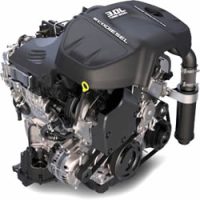
Reconditioned In The UK
Our engine factories recondition all engines here in the UK. We have the capacity & ability to remanufacture engines for any van or commercial vehicle. All with our team of highly skilled and qualified engineers.
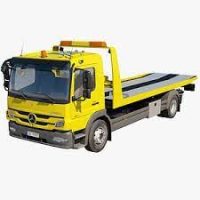
Car Recovery Options
We work with leading Transport Providers across England and Wales. If you are unable to arrange delivery of your vehicle to us we can arrange the most competitive vehicle recovery option for you. Cars & Light Commercials.